Upper Cervical Care IN GILBERT
Precision Care for the Top of Your Spine
Precision Care for the Top of Your Spine
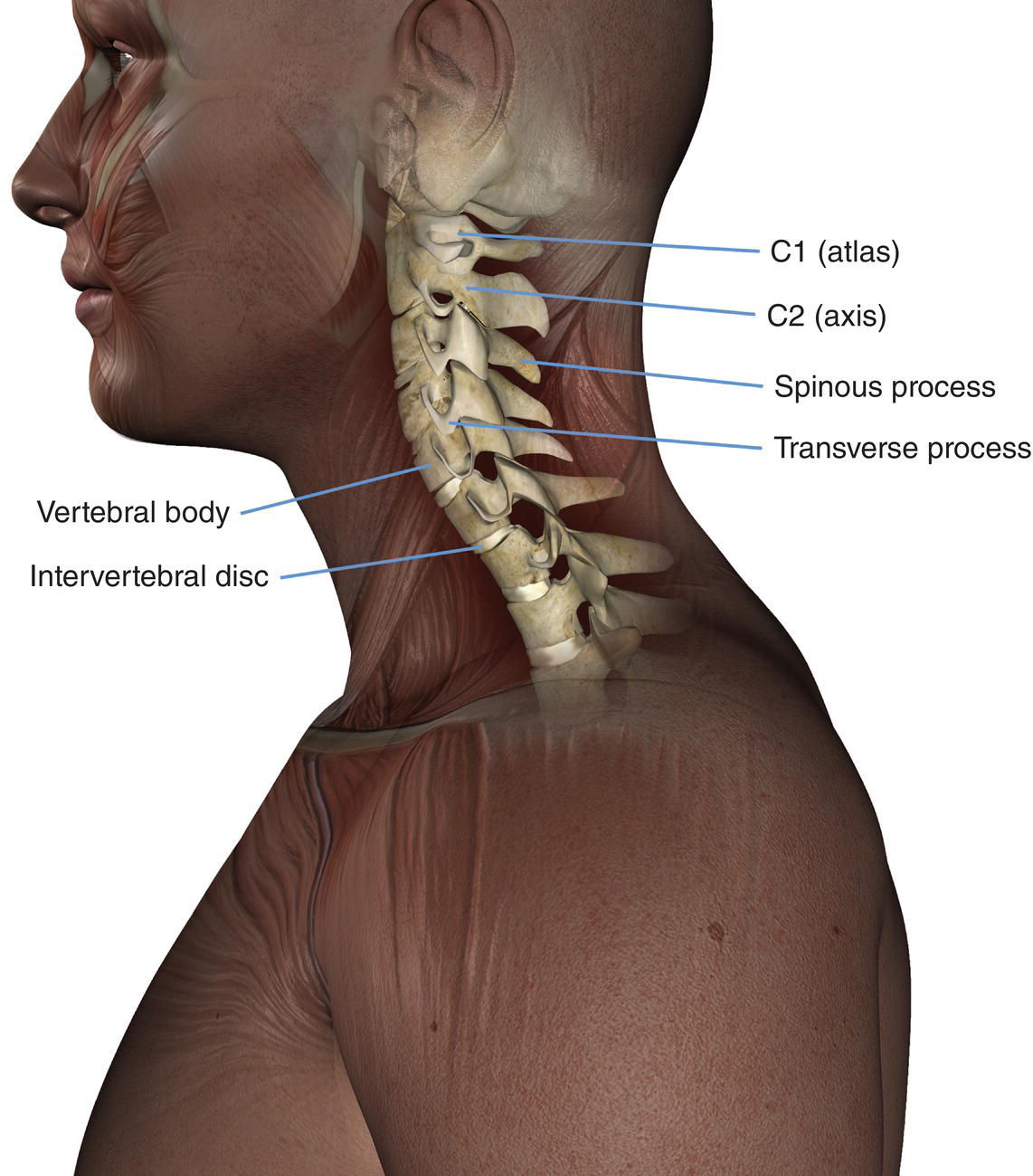
Upper Cervical Chiropractic Care focuses on the alignment of the top two bones in your neck — the atlas (C1) and axis (C2) vertebrae. These bones protect the brainstem and play a critical role in your nervous system function.
Even a slight misalignment in this area can interfere with nerve communication between the brain and body, leading to various health concerns.
Our approach uses gentle, precise, and non-invasive adjustments to restore proper alignment — without twisting, cracking, or forceful movements.
🔎 Why Upper Cervical Alignment Matters
The upper cervical spine directly influences:
Brain-to-body communication
Posture and balance
Blood flow to the brain
Nervous system regulation
When misalignment occurs, it may contribute to:
Chronic headaches & migraines
Neck pain and stiffness
Vertigo and dizziness
TMJ disorders
Shoulder tension
Chronic fatigue
Numbness or tingling in arms
Our Approach to Upper Cervical Care
We use advanced diagnostic tools and digital imaging to precisely measure spinal alignment before performing any adjustment.
Book Your Appointment!
Begin your journey toward better health today
Receive Upper Cervical Chiropractic Care Treatment in Gilbert
Upper cervical chiropractors are specially trained to detect subtle misalignments and correct them using gentle, highly specific adjustments, without twisting, cracking, or forceful movements.
When properly aligned, the upper cervical spine supports better posture, improved neurological function, and overall well-being.
Why Upper Cervical Alignment Is Important
The upper neck plays a crucial role in:
Protecting the brainstem
Supporting head and neck balance
Maintaining proper nervous system communication
Regulating blood flow to the brain
Controlling posture and coordination
When misalignment occurs, it can contribute to:
Chronic headaches and migraines
Neck pain and stiffness
Dizziness and vertigo
TMJ dysfunction
Shoulder tension
Numbness or tingling in arms
Fatigue and poor concentration
Left untreated, upper cervical misalignment may lead to long-term discomfort and reduced quality of life.
Common Causes of Upper Cervical Misalignment
Several factors can affect the alignment of the upper cervical spine. Some of the most common include:
Whiplash and car accidents – Sudden impact can shift the atlas or axis out of proper position.
Poor posture – Forward head posture from prolonged screen use can stress the upper neck.
Sports injuries – Contact sports and falls may cause subtle misalignments.
Birth trauma – In some cases, misalignment can begin early in life.
Repetitive stress – Long-term strain on neck muscles can gradually affect alignment.
Causes of Chronic Upper Neck Issues
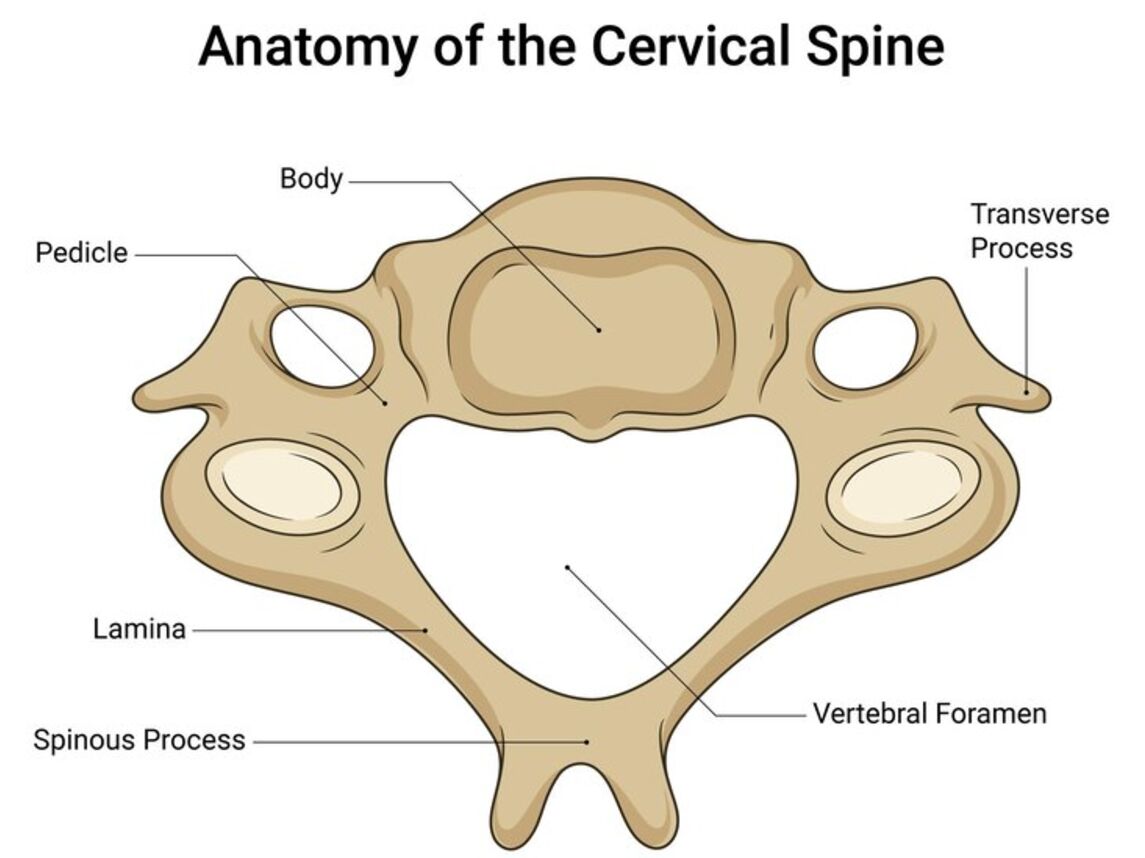
Chronic upper cervical problems often develop when the initial misalignment was never properly identified or corrected. Over time, the body adapts to imbalance, leading to ongoing symptoms.
Common contributors to chronic upper cervical dysfunction include:
Previous untreated neck injuries
Long-term postural imbalances
Degenerative spinal changes
Repeated micro-trauma
Persistent muscle tension
Without precise correction, symptoms may continue or gradually worsen.
Treatment for Upper Cervical Misalignment
Upper cervical care begins with a detailed assessment to identify the exact location and degree of misalignment. This may include posture analysis, neurological evaluation, and specialized imaging when necessary.
Unlike traditional spinal adjustments, upper cervical corrections are:
The goal is not repeated forceful manipulation but restoring natural alignment so the body can heal itself.
By correcting the root cause, chiropractic care can significantly reduce symptoms and improve overall function.
Meet Dr. Foote

Book Your Appointment
Begin your journey to better health today!
Receive Upper Cervical Chiropractic Care Treatment in Gilbert
Upper cervical chiropractors are specially trained to detect subtle misalignments and correct them using gentle, highly specific adjustments — without twisting, cracking, or forceful movements.
When properly aligned, the upper cervical spine supports better posture, improved neurological function, and overall well-being.
Why Upper Cervical Alignment Is Important
The upper neck plays a crucial role in:
Protecting the brainstem
Supporting head and neck balance
Maintaining proper nervous system communication
Regulating blood flow to the brain
Controlling posture and coordination
When misalignment occurs, it can contribute to:
Chronic headaches and migraines
Neck pain and stiffness
Dizziness and vertigo
TMJ dysfunction
Shoulder tension
Numbness or tingling in arms
Fatigue and poor concentration
Left untreated, upper cervical misalignment may lead to long-term discomfort and reduced quality of life.
Common Causes of Upper Cervical Misalignment
Several factors can affect the alignment of the upper cervical spine. Some of the most common include:
Whiplash and car accidents – Sudden impact can shift the atlas or axis out of proper position.
Poor posture – Forward head posture from prolonged screen use can stress the upper neck.
Sports injuries – Contact sports and falls may cause subtle misalignments.
Birth trauma – In some cases, misalignment can begin early in life.
Repetitive stress – Long-term strain on neck muscles can gradually affect alignment.
Causes of Chronic Upper Neck Issues
Chronic upper cervical problems often develop when the initial misalignment was never properly identified or corrected. Over time, the body adapts to imbalance, leading to ongoing symptoms.
Common contributors to chronic upper cervical dysfunction include:
Previous untreated neck injuries
Long-term postural imbalances
Degenerative spinal changes
Repeated micro-trauma
Persistent muscle tension
Without precise correction, symptoms may continue or gradually worsen.
Treatment for Upper Cervical Misalignment
Upper cervical care begins with a detailed assessment to identify the exact location and degree of misalignment. This may include posture analysis, neurological evaluation, and specialized imaging when necessary.
Unlike traditional spinal adjustments, upper cervical corrections are:
The goal is not repeated forceful manipulation but restoring natural alignment so the body can heal itself.
By correcting the root cause, chiropractic care can significantly reduce symptoms and improve overall function.
Meet Dr. Chase
Book Your Appointment
Begin your journey to better health today!


Practice Hours
| Monday | 8am - 12pm | 1pm - 4pm |
| Tuesday | Closed | |
| Wednesday | Closed | 12pm - 6pm |
| Thursday | Closed | |
| Friday | 8am - 12pm | 1pm - 4pm |
| Saturday | Closed | |
| Sunday | Closed |

Helpful Links
© 2026 Copyrights by Sync Chiropractic. All Rights Reserved.