Neurological Optimization in Gilbert
Neurological Optimization in Gilbert
Optimize Your Nervous System. Elevate Your Health.
Your nervous system controls every function in your body — from movement and posture to digestion, sleep, immune response, and mental clarity. When the nervous system is functioning at its best, the body operates efficiently, adapts to stress effectively, and maintains balance naturally.
Neurological optimization focuses on improving brain-body communication by identifying and correcting interference within the spine, particularly in the upper cervical region. Rather than simply treating symptoms, this approach enhances the body’s ability to regulate and heal itself.
The Connection Between the Spine and the Brain
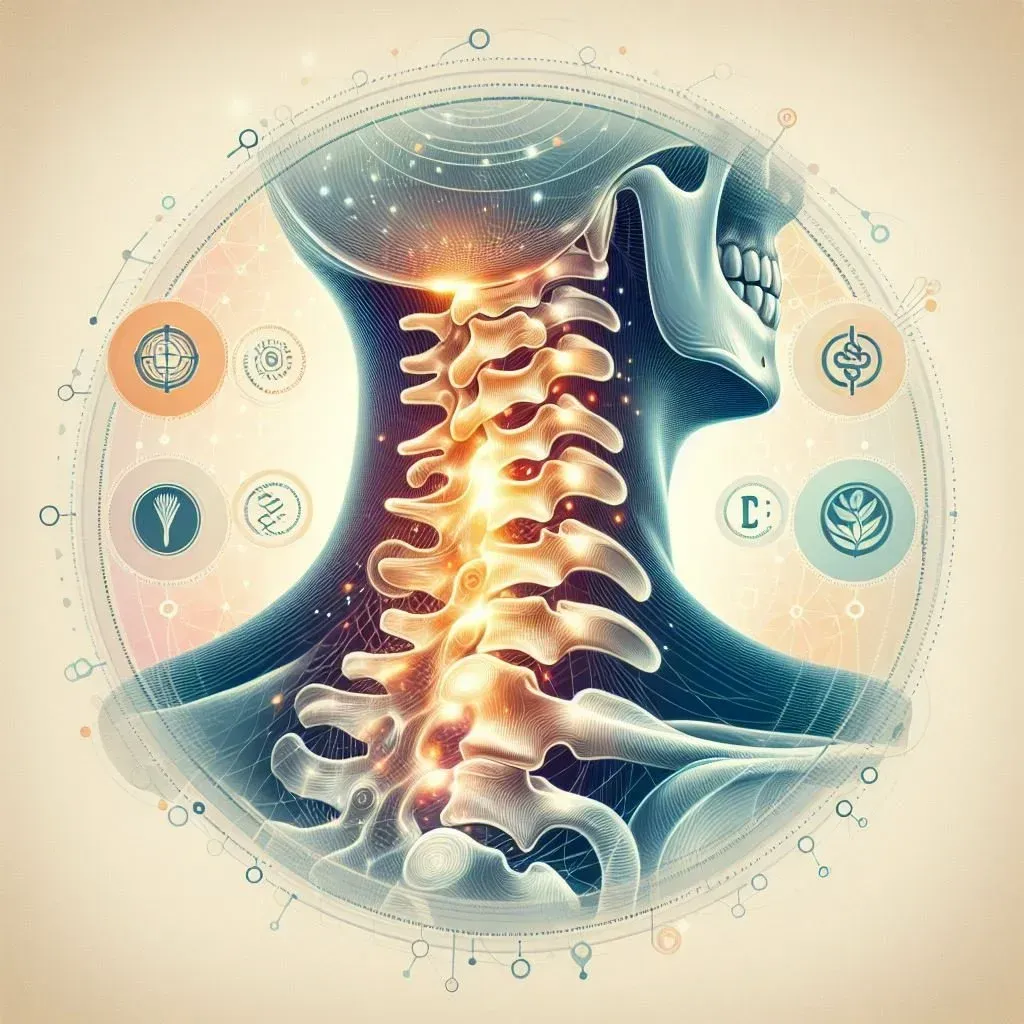
The upper cervical spine protects the brainstem, which plays a vital role in regulating heart rate, breathing, digestion, and overall neurological balance. Even subtle misalignments in this area can create stress within the nervous system, leading to dysfunction throughout the body.
When communication between the brain and body is disrupted, patients may experience headaches, fatigue, poor concentration, dizziness, muscle tension, or chronic pain. Neurological optimization addresses these issues by restoring proper spinal alignment and reducing nerve interference.
Neurological Optimization Services in Gilbert
Neurological optimization can provide meaningful improvements for individuals experiencing chronic stress, headaches, fatigue, or nervous system imbalance. By focusing on restoring proper brain-body communication, our precise and gentle techniques help your body function at its highest potential.
Schedule your neurological assessment with our team today and take the first step toward optimized nervous system function and lasting health.
Book Your Appointment!
Begin your journey toward better health today
Identifying Neurological Stress
Many neurological imbalances develop gradually and may not be immediately obvious. That’s why a detailed assessment is essential. We evaluate posture, spinal alignment, muscle tone, and nervous system function to detect underlying stress patterns.
Advanced diagnostic tools may be used to measure nervous system activity before and after adjustments. This allows us to objectively monitor progress and ensure that care is precise and effective.
What Causes Neurological Imbalance?
Understanding the Root of Nervous System Dysfunction
Neurological imbalance does not happen overnight. It often develops gradually as stress accumulates within the body and spine. Because the nervous system controls every organ, muscle, and tissue, even small disruptions in communication between the brain and body can lead to widespread symptoms.
One of the most common causes of neurological dysfunction is upper cervical misalignment. When the top vertebrae in the neck shift out of proper position, they can place subtle pressure on the brainstem and surrounding nerves. This interference may disrupt normal signaling pathways, affecting posture, balance, coordination, and internal regulation.
Physical Stress and Trauma
Physical stress is a major contributor to neurological imbalance. Car accidents, sports injuries, falls, and even minor impacts can shift spinal alignment. Whiplash injuries, in particular, frequently affect the upper cervical spine, creating long-term instability if not properly corrected.
Over time, repeated micro-trauma from daily activities — such as prolonged sitting, poor ergonomics, or heavy lifting — can also place strain on spinal structures. These small stresses may not cause immediate pain but can gradually interfere with nervous system efficiency.
Postural Distortion and Modern Lifestyle
In today’s digital world, forward head posture and rounded shoulders have become increasingly common. Spending hours on phones, computers, and tablets shifts the head forward, placing excessive pressure on the cervical spine. This imbalance forces muscles to compensate and may create tension around the nervous system.
Chronic postural stress can reduce spinal mobility and disrupt the body’s ability to adapt to physical and emotional stressors effectively.
Meet Dr. Foote

Meet Dr.Chase
Book Your Appointment
Begin your journey to better health today!
Identifying Neurological Stress
Many neurological imbalances develop gradually and may not be immediately obvious. That’s why a detailed assessment is essential. We evaluate posture, spinal alignment, muscle tone, and nervous system function to detect underlying stress patterns.
Advanced diagnostic tools may be used to measure nervous system activity before and after adjustments. This allows us to objectively monitor progress and ensure that care is precise and effective.
What Causes Neurological Imbalance?
Understanding the Root of Nervous System Dysfunction
Neurological imbalance does not happen overnight. It often develops gradually as stress accumulates within the body and spine. Because the nervous system controls every organ, muscle, and tissue, even small disruptions in communication between the brain and body can lead to widespread symptoms.
One of the most common causes of neurological dysfunction is upper cervical misalignment. When the top vertebrae in the neck shift out of proper position, they can place subtle pressure on the brainstem and surrounding nerves. This interference may disrupt normal signaling pathways, affecting posture, balance, coordination, and internal regulation.
Physical Stress and Trauma
Physical stress is a major contributor to neurological imbalance. Car accidents, sports injuries, falls, and even minor impacts can shift spinal alignment. Whiplash injuries, in particular, frequently affect the upper cervical spine, creating long-term instability if not properly corrected.
Over time, repeated micro-trauma from daily activities — such as prolonged sitting, poor ergonomics, or heavy lifting — can also place strain on spinal structures. These small stresses may not cause immediate pain but can gradually interfere with nervous system efficiency.
Postural Distortion and Modern Lifestyle
In today’s digital world, forward head posture and rounded shoulders have become increasingly common. Spending hours on phones, computers, and tablets shifts the head forward, placing excessive pressure on the cervical spine. This imbalance forces muscles to compensate and may create tension around the nervous system.
Chronic postural stress can reduce spinal mobility and disrupt the body’s ability to adapt to physical and emotional stressors effectively.
Meet Dr. Foote
Meet Dr.Chase
Book Your Appointment
Begin your journey to better health today!


Practice Hours
| Monday | 8am - 12pm | 1pm - 4pm |
| Tuesday | Closed | |
| Wednesday | Closed | 12pm - 6pm |
| Thursday | Closed | |
| Friday | 8am - 12pm | 1pm - 4pm |
| Saturday | Closed | |
| Sunday | Closed |

Helpful Links
© 2026 Copyrights by Sync Chiropractic. All Rights Reserved.